

You’ve seen the glossy flyers. The perfectly staged kitchens. The “move-in ready, must see!” pitch that conveniently forgets to mention the $8 oat milk latte tax and HOA rules written by a compliance department.
This isn’t that.
This is the real cost of living in Sacramento — neighborhood by neighborhood — from someone who’s actually lived here, worked here, and paid those bills.
We’re talking mortgage/rent, utilities, groceries, lifestyle, even the “hidden fees” no one mentions (like parking hell or HOA dues).
Let’s just say it: Sacramento’s got range.
One minute you’re touring a “cozy” 2-bedroom in East Sac priced like a Tesla dealership, the next you’re in Natomas realizing you can actually afford a backyard — and maybe a dog named Tank.
This isn’t some sugar-coated, Zillow-filtered fantasy. This is the real-life, wallet-checking, “wait, how much is garbage pickup?” version of what it costs to live in different Sacramento neighborhoods.
We’re talking actual prices, surprise expenses, lifestyle costs, and all the stuff your Realtor’s glossy brochure skips.
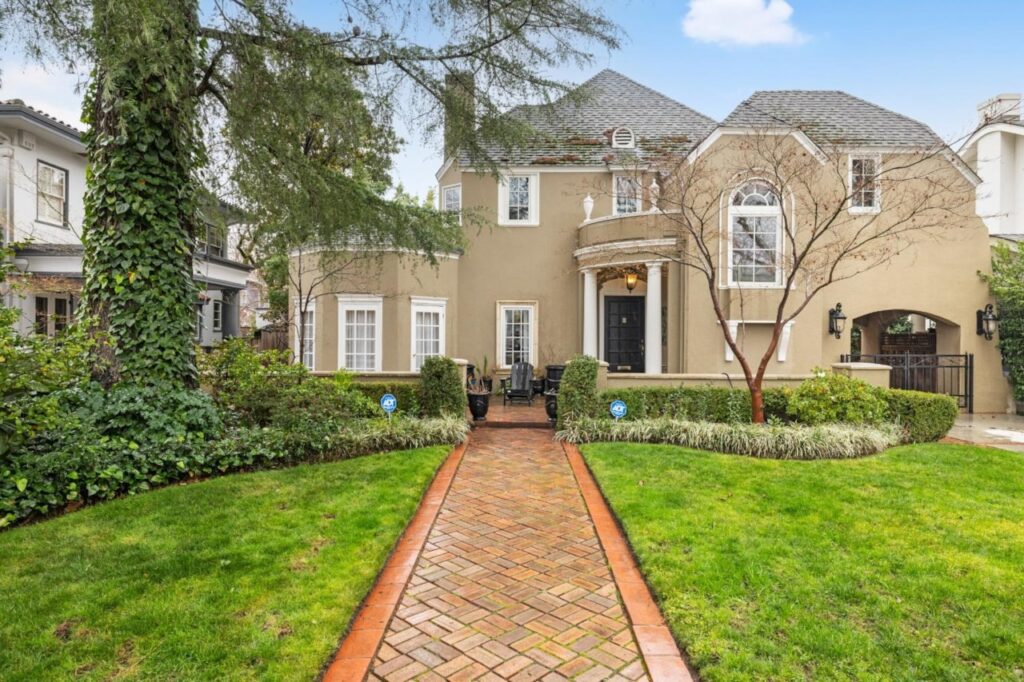
East Sacramento
Median home price: ~$900,000+
Average rent for 2BR: $2,400–$2,800/month
The Vibe:
- Historic homes, big trees, and price tags to match. Seriously, some of these bungalows cost more than a vacation home.
What it really costs:
- Whole Foods is your corner store. Translation: $18 salad regret.
- Utilities? Expect $250–$350/month for an older house with original windows. Old homes = drafty. PG&E will get you. You’ll be paying for that “charming” drafty window like it’s a second mortgage.
- Your neighbors all have landscaping that looks like a magazine, and yes, now you’re suddenly Googling “how to grow lavender without killing it.” Spoiler: it’s harder than it looks.
Best fit if you want: historic architecture, big trees, and walkable blocks near McKinley Park, and you’re ready for older-home maintenance.
Land Park
Median home price: ~$850,000
Average rent for 2BR: $2,300–$2,600/month
The Vibe:
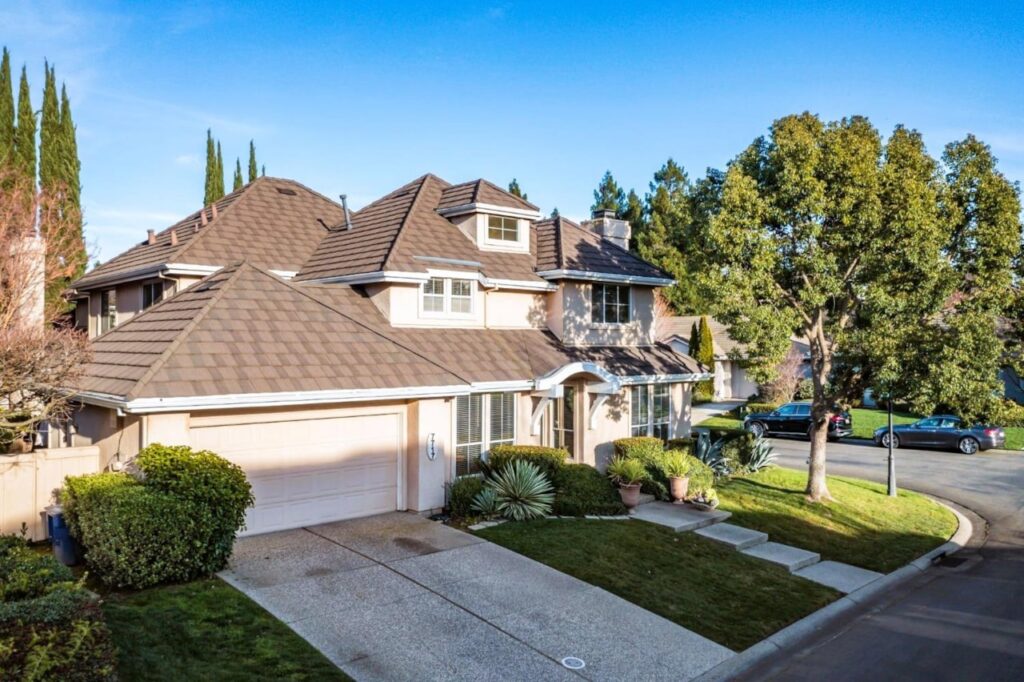
- Tree-lined, classic suburbia with a heavy side of nostalgia. Also: ducks. Lots of ducks. You’ll be quacking along in no time.
What it really costs:
- Gorgeous streets, mature trees. The houses are old and cute. So is the plumbing. Get ready for some “character” in your pipes — and by character, I mean frequent trips to Home Depot.
- Utilities vary depending on how drafty your 1930s house is.
- Parking’s good. Neighborhood vibes are strong.
- You’re 15 minutes from downtown but 2 minutes from William Land Park, the zoo, and Fairytale Town. You’ll end up there more often than you planned.
Best fit if you want: mature trees, older homes with character, and a big park and the zoo close by.
Midtown
Median home price: ~$700,000
Average rent for 2BR: $2,200–$2,500/month
The Vibe:
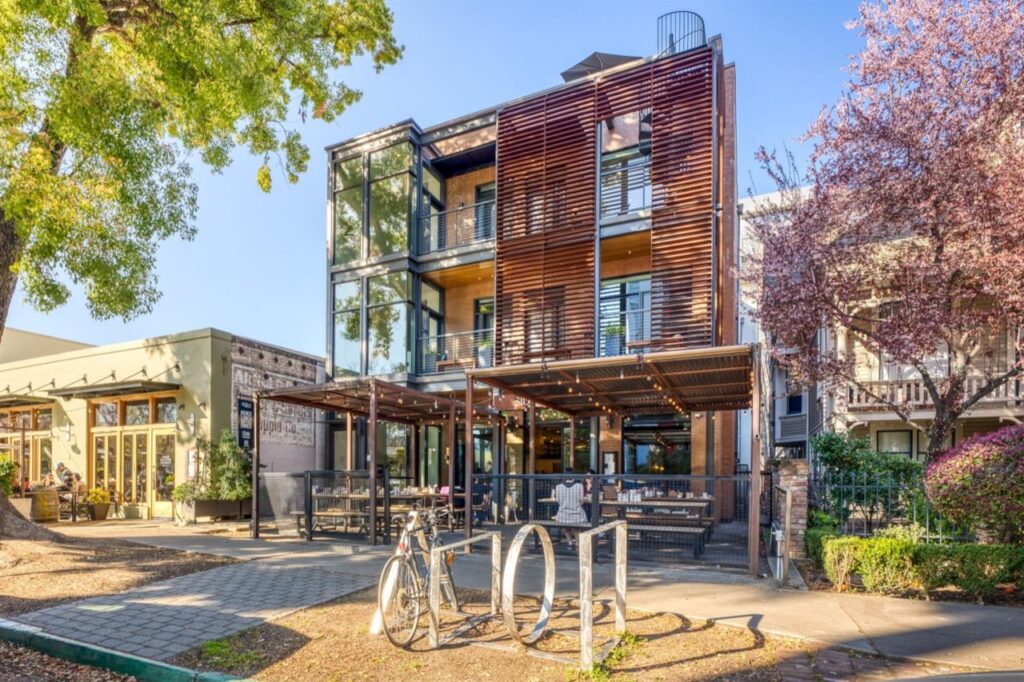
- Funky, walkable, and suspiciously filled with brunch spots. Your neighborhood has a personality — and probably a mural.
What it really costs:
- Rent feels lower… until you DoorDash every meal because you live next to 47 brunch spots. You think you’ll save money by cooking at home. You won’t. Welcome to your $200/weekend brunch habit. Those avocado toasts don’t pay for themselves!
- Parking is a disaster. Budget $100–$200/month for a spot or therapy.
- Internet, gas, and PG&E come out to ~$200–$300/month in older units.
- Bars, boutiques, events — it’s all here, and it adds up fast.
- It’s fun, loud, and has great food. You’ll also run into the same faces at every brunch spot. Repeatedly.
Best fit if you want: walkability, nightlife, and restaurants out your door, and you can live without easy parking.
Natomas (North & South)
Median home price: ~$550,000–$650,000
Average rent for 2BR: $1,800–$2,200/month
The Vibe:
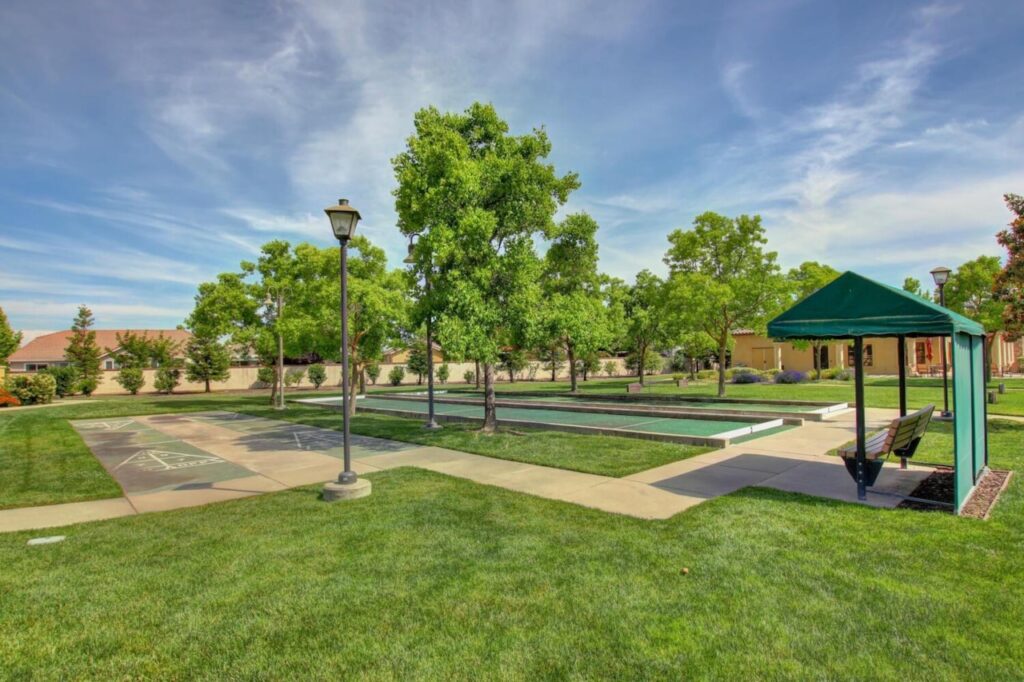
- Master-planned suburbia with drive-thru everything. You will own patio furniture.
What it really costs:
- Newer homes = better insulation and lower energy bills (closer to $150/month). Actual savings on PG&E. Shocking, I know. You might even have money left over for that Netflix subscription.
- Groceries are Costco + Target. You’ll know the layout of your local Costco better than your own kitchen.No artisanal cheese guilt.
- Gas is a factor — it’s car life out here. Commute to downtown is real.
- HOA fees? Some developments sneak in $120–$200/month.
- You’ll drive more than you walk. But hey — there’s parking everywhere. You’ll feel like a parking lot king or queen.
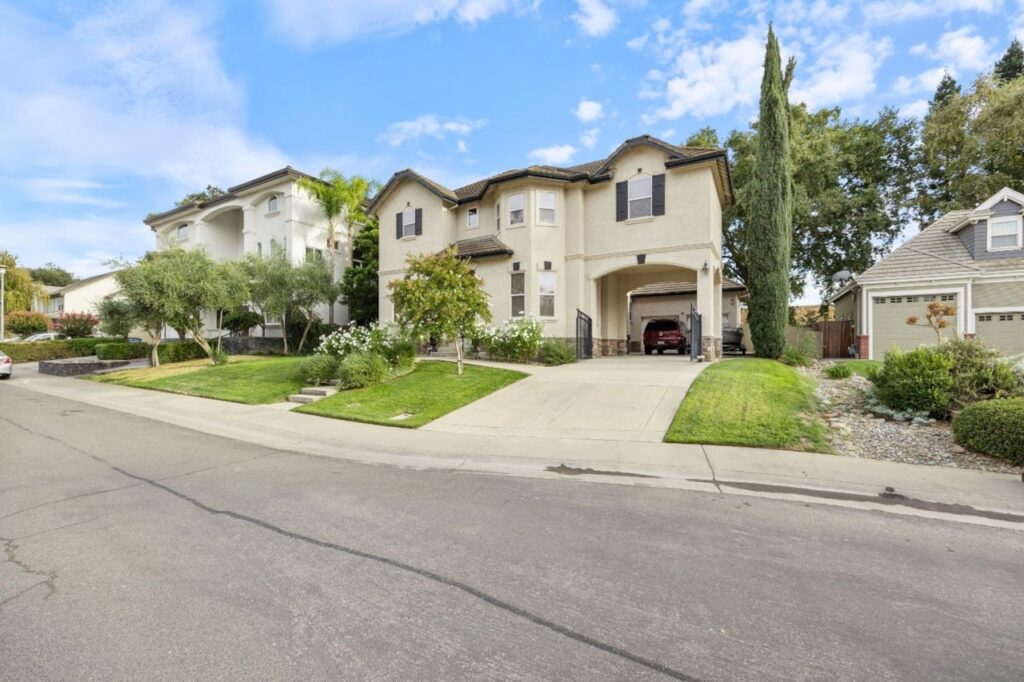
Best fit if you want: newer construction, a garage, and a backyard without selling a kidney.
Pocket-Greenhaven
Median home price: ~$600,000–$750,000
Average rent for 2BR: $1,900–$2,300/month
The Vibe:
- Suburban, leafy, and right on the river. In a good way.
What it really costs:
- Suburban and chill. You will 100% buy a kayak even if you don’t use it. Everyone owns a kayak or talks about owning a kayak. You’ll be the envy of your friends who live in apartments.
- Utilities are moderate. Groceries = Nugget Market + Safeway mix. Nugget Market is your go-to.
- River trails for days. Actual green space. You might even start to enjoy nature — shocking, I know.
Best fit if you want: river trails, suburban streets, and moderate prices.
Downtown Sacramento
Median home price: ~$600,000
Average rent for 2BR: $2,100–$2,500/month
The Vibe:
- Buzzing. Central. Slightly chaotic but very alive.
What it really costs:
- You’re paying for walkability and convenience and maybe also in traffic noise, parking tickets, and occasional event detours. Welcome to the city life!
- Utilities aren’t bad (~$200–$250/month), but beware older buildings with vintage wiring.
- PG&E is manageable, but the noise pollution is free. You’ll learn to sleep through anything — including your neighbor’s late-night karaoke.
- Golden 1 events will mess with your parking and your schedule, but you’ll still go. Because who doesn’t love a good game? You’ll end up there more often than you think (and spend $18 on pretzels).
Best fit if you want: to walk to work, the Capitol, and Golden 1 Center.

Final Thoughts: Budget For Reality, Not Just the Mortgage
Here’s the truth: living in Sacramento is great — but it’s not cheap.
The actual cost of living goes way beyond your rent or mortgage payment. It’s:
- That $16 sandwich habit. Seriously, how did sandwiches get so expensive?
- Your PG&E bill in a 1937 Tudor. You might as well be heating the whole neighborhood.
- A 20-minute commute that turns into 45 because “everyone moved to Natomas.”
When you’re calculating what you can “afford,” don’t just look at the home price or rent. Factor in:
- Utility bills (especially in older homes)
- Commute costs (gas, parking)
- Grocery habits (Trader Joe’s vs. DoorDash 5x/week)
- Lifestyle creep (yes, brunch counts)
And always ask: Can I comfortably live here, or will I end up house-rich and lifestyle-poor?
This city’s amazing — but only if you budget for it honestly.
So before you say “we can swing it,” ask yourself:
Can you still live your life and pay your bills without resenting your kitchen faucet?
If the answer’s no — it might not be the neighborhood for you.
Need help figuring out where your lifestyle and your budget can finally be friends? Let’s talk