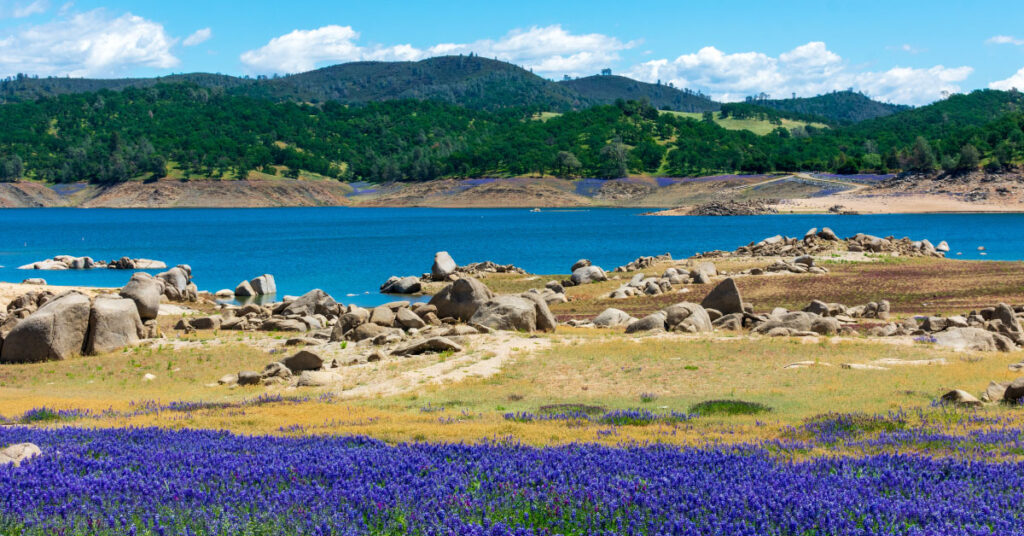
Sacramento summers fill Folsom Lake to capacity. The parking lots overflow by 9 a.m. on weekends, the Granite Bay swim beach becomes a scene, and finding a campsite without a reservation feels like a long shot. Then September arrives, school starts, temperatures drop into the 70s, and the 19,500-acre recreation area that two million people visit each year quietly empties out.
What’s left is one of the best outdoor experiences in the Sacramento region—and most locals don’t realize it’s there.
What Makes Fall the Right Time to Go
Folsom Lake State Recreation Area sits about 25 miles east of Sacramento in the Sierra Nevada foothills, straddling Sacramento and El Dorado counties. The park encompasses two reservoirs—Folsom Lake and Lake Natoma—connected by the lower American River, with more than 95 miles of multi-use trails threading through oak woodland and open grassland.
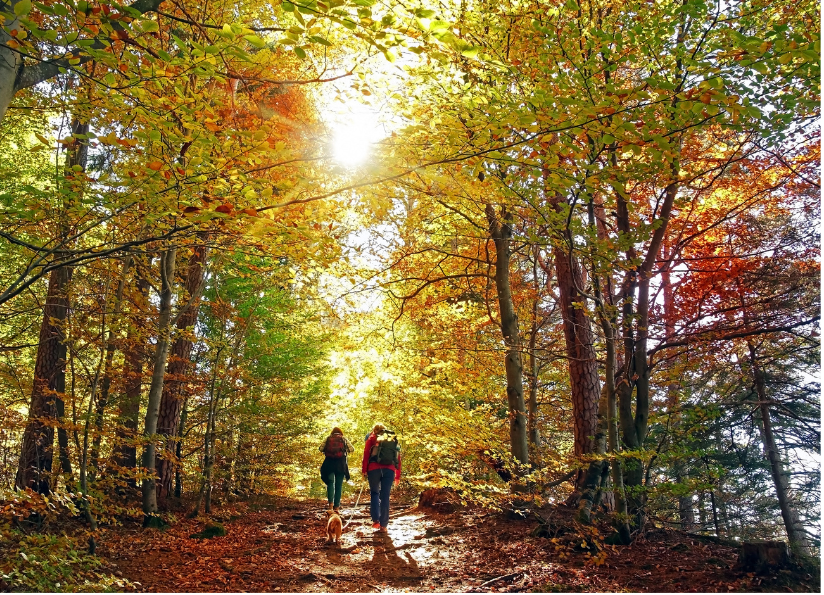
From April through September, the park is at its most crowded. Once the summer heat breaks, things shift. The trails aren’t empty—this is still a beloved park—but weekend morning hikes become a completely different experience. The hills turn amber and gold as the oaks drop their leaves through October and into November. The lake water, cooler now, takes on a deep blue-green. Fishing picks up: fall is a productive season for trout, catfish, bass, and perch in both Folsom Lake and Lake Natoma.
The other big change is camping. Beals Point Campground—the park’s year-round site on the south shore—runs about 50 campsites that fill up weeks in advance in summer. In fall, the park operates on off-season terms: no advance reservation required for many nights, and sites run $28 to $48 per night versus summer peak rates. For Sacramento residents who’ve wanted to camp here but never landed a spot, October and November are the window.
Where to Start: Choosing an Entrance
The recreation area has several distinct entry points, each with its own character. Knowing which one to use saves time and shapes the experience.
Granite Bay (day-use fee: $12) is the most popular area and the one most visitors picture when they think of Folsom Lake. It has a sandy beach, a boat launch, and trails that fan out along the lake’s north shore. Good for families and for cyclists connecting to the American River Bike Trail, which runs 32 miles all the way to Old Sacramento. Arrive before 9 a.m. on fall weekends to guarantee parking.
Beals Point (day-use fee: $12) anchors the south shore and connects to the campground. The hiking here is more rugged than Granite Bay—better views, more elevation, fewer strollers. This is also the closest entry point to the historic Folsom Powerhouse State Historic Park, a striking Victorian-era facility on the American River that once transmitted the longest-distance electrical current in the world.
Black Miners Bar, Nimbus Flat, Mormon Island, and Salmon Falls (day-use fee: $10 each) offer quieter access points for hikers and equestrians who want to get onto the trail network without the beach-crowd energy.
Getting Out on the Water
The lake is navigable year-round for non-motorized craft, and fall is an underrated time to paddle it. Kayakers and stand-up paddleboarders get the surface mostly to themselves once powerboat season winds down. Boat launches are available at several points, including Granite Bay (four ramps), Folsom Point, and Rattlesnake Bar. The boat launch fee is $10 per vehicle, in addition to the day-use fee.
Lake Natoma, the smaller lower reservoir, is popular with kayakers and rowers year-round. Its calmer, narrower water and proximity to the American River Bike Trail make it accessible even for those who want to combine a paddle with a bike ride.
The Details
- Address: 7755 Folsom-Auburn Road, Folsom, CA 95630
- Phone: (916) 988-0205
- Day-use hours (fall/winter): 7 a.m.–7 p.m. after Daylight Saving Time ends (November 2); check parks.ca.gov for current hours
- Day-use fee: $12 per vehicle at Granite Bay, Beals Point, Brown’s Ravine, Peninsula, and Rattlesnake Bar; $10 at Black Miners Bar, Nimbus Flat, Mormon Island, and Salmon Falls
- Boat launch: $10 per vehicle (in addition to day-use fee)
- Camping: Beals Point Campground open year-round; off-season sites $28–$48 per night; Peninsula Campground also available
- Reservations: ReserveCalifornia.com or (800) 444-7275; walk-ins often available in off-season
- Trails: Over 95 miles of multi-use trails (hiking, mountain biking, equestrian)
- Fishing: Trout, catfish, bass, perch; California fishing license required for ages 16 and up
- Pets: Allowed on leash in most areas
- From downtown Sacramento: Approximately 25 miles; about 30–35 minutes via US-50 East
What to Pair It With
Folsom Lake sits at the edge of the Gold Rush corridor. The town of Folsom, just south of the main park entrance, has a walkable historic district with restaurants and shops on Sutter Street. Historic Folsom is worth 30 minutes before or after the park—particularly for a post-hike meal at one of the brewpubs on the main drag.
If fall outdoor days are on the calendar, Folsom Lake pairs naturally with other destinations in the greater Sacramento area. Auburn State Recreation Area, about 25 minutes north, offers deeper canyon hikes and the most dramatic fall leaf color in the region. Closer in, the American River Parkway connects directly to Folsom Lake via the bike trail and offers its own version of fall color—cottonwoods turning gold along the river corridor through the city.
Bottom Line
Folsom Lake State Recreation Area is one of Sacramento’s most under-utilized fall destinations. The park doesn’t change—the trails are the same, the water is there, the campgrounds are open—but the summer crowd that defines the place in most people’s minds is gone. Day-use fees are modest, walk-in camping becomes genuinely possible, and the rolling oak hills look better in October than they do in July. If the summer version of Folsom Lake felt like too much, the fall version is worth a try.