
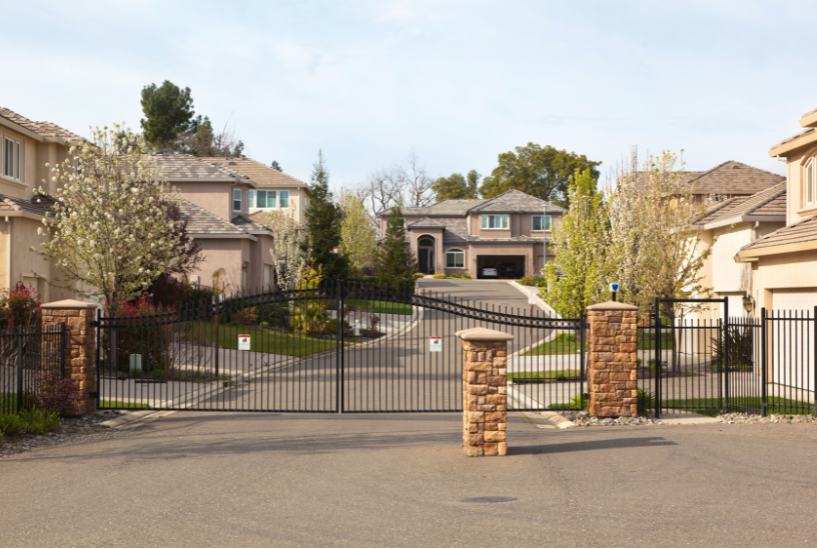
Gated communities have long been associated with privacy, controlled access, and resort-style amenities. These residential areas, often surrounded by walls or fences with controlled entrances, offer a unique blend of privacy, security, and an array of amenities. For many homebuyers, the allure of a gated community lies in its controlled entry and lower through-traffic.
In this blog, we’ll delve into the various aspects of buying in a gated community, including the benefits and potential drawbacks, to help you make an informed decision.
The Appeal of Privacy
Controlled-Access Living Spaces
One of the primary draws of gated communities is controlled access. These neighborhoods are designed to be self-contained, with private streets and shared amenities set apart from surrounding roads. Limited entry usually means less through-traffic and fewer cars passing on the internal streets.
Enhanced Privacy Measures
Privacy is a significant factor for many people choosing to live in gated communities. High walls, fences, and controlled access points ensure that only residents and their guests can enter the community. This level of privacy appeals to anyone who wants limited foot and vehicle traffic past their home.
Superior Security Features
Controlled Access
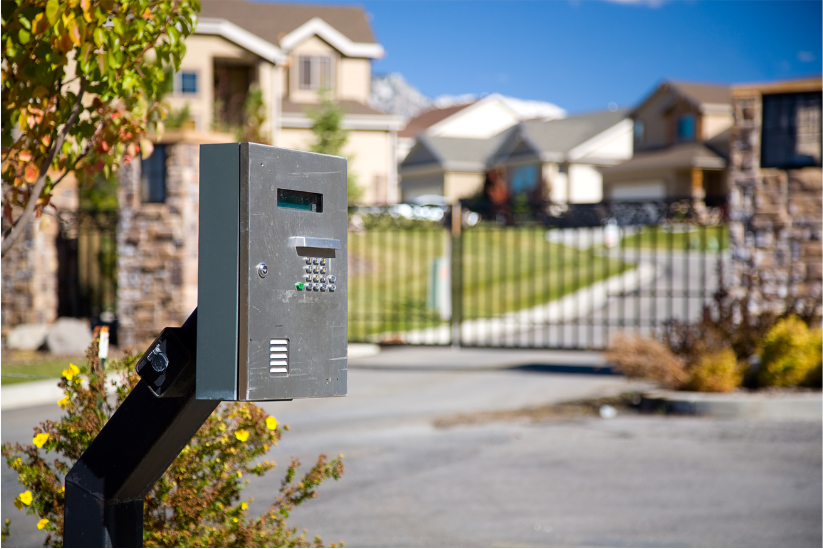
Gated communities typically have one or more guarded entry points, often monitored 24/7 by security personnel. This controlled access limits entry to residents, their guests, and authorized service providers. Some communities also utilize advanced security systems, such as surveillance cameras, electronic gates, and keycard access, to further enhance security.
What Access Control Does and Doesn’t Do
Gates, guards, and cameras control who can drive or walk in, but they are a service the HOA pays for, not a guarantee. If access control matters to you, ask the HOA what its security service covers, how gate codes and guest access are managed, and how much of your dues go to it.
Lifestyle and Community Benefits
Amenities and Recreational Facilities
Gated communities are known for offering a wide range of amenities designed to enhance the quality of life for residents. These may include:
- Clubhouses: Often the social hub of the community, clubhouses can feature event spaces, meeting rooms, and social activities.
- Fitness Centers: On-site gyms and fitness centers provide convenient access to exercise equipment and classes.
- Swimming Pools: Many gated communities boast resort-style pools, lap pools, and children’s pools.
- Parks and Green Spaces: Landscaped parks, walking trails, and playgrounds offer ample opportunities for outdoor recreation.
- Sports Facilities: Tennis courts, basketball courts, and golf courses are common features in many gated communities.

Community Events and Activities
Living in a gated community often means having access to a variety of organized events and activities. These can range from holiday celebrations and social gatherings to fitness classes and hobby groups. Such events foster a sense of community and provide opportunities for residents to connect and build relationships.
High-Quality Infrastructure
Gated communities are typically well-maintained, with high-quality infrastructure and services. This includes well-paved roads, efficient waste management, and regular maintenance of communal areas. Homeowners’ associations (HOAs) play a crucial role in ensuring that the community remains in excellent condition, often providing landscaping services and overseeing community projects.

Considerations and Potential Drawbacks
Higher Costs
One of the primary considerations when buying in a gated community is the cost. The access control, private amenities, and upkeep come at a price. Homes in gated communities tend to be more expensive than those in non-gated areas. Additionally, residents are usually required to pay HOA fees, which can vary significantly depending on the community and the range of services provided.
HOA Rules and Regulations
Homeowners’ associations in gated communities enforce a set of rules and regulations that residents must adhere to. These can include restrictions on exterior home modifications, landscaping, and even parking. While these rules help maintain the community’s appearance and standards, they may also limit personal freedom and flexibility.
Potential for Social Isolation
While gated communities offer privacy, they can also lead to social isolation. The controlled access and self-contained nature of these neighborhoods may limit interactions with the broader community. It’s essential to consider whether the insular lifestyle aligns with your social preferences and needs.
Limited Access for Visitors and Deliveries
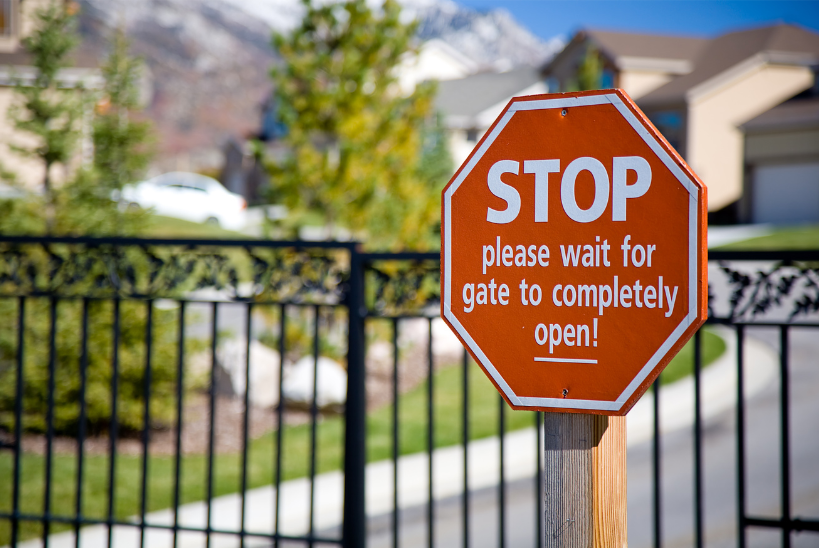
The controlled access in gated communities can sometimes pose challenges for visitors and deliveries. Guests may need to go through security checks, and delivery services may require special arrangements to gain entry. While these measures enhance security, they can also be inconvenient for residents and their guests.
Making an Informed Decision
Assessing Your Priorities
Before deciding to buy a home in a gated community, it’s crucial to assess your priorities and lifestyle preferences. Consider the following questions:
- How important are privacy and controlled access to you?
- Do the amenities and services offered in the community align with your lifestyle and interests?
- Are you comfortable with the potential costs, including higher home prices and HOA fees?
- Do you value controlled access and lower through-traffic, or do you prefer a neighborhood connected to the surrounding streets?
Visiting Multiple Communities
To make an informed decision, it’s advisable to visit multiple gated communities and compare their features, amenities, and overall ambiance. Take the time to speak with current residents, tour the facilities, and review the HOA rules and regulations. This will give you a comprehensive understanding of what each community has to offer and help you determine which one best suits your needs.
Consulting with Real Estate Professionals
Working with a real estate agent who specializes in gated communities can be highly beneficial. These professionals have in-depth knowledge of the local market and can provide valuable insights into the pros and cons of different communities. They can also help you navigate the buying process, negotiate prices, and ensure that you make a well-informed decision.

Final Thoughts
Buying a home in a gated community offers a unique blend of privacy, security, and lifestyle benefits. The access control, private amenities, and well-maintained infrastructure make these neighborhoods appealing to many homebuyers. However, it’s essential to weigh the potential drawbacks, such as higher costs and HOA regulations, against the benefits to determine if this lifestyle aligns with your priorities and preferences.
By carefully assessing your needs, visiting multiple communities, and consulting with real estate professionals, you can make an informed decision and find the gated community that best suits your lifestyle. Whether you prioritize privacy, security, or a vibrant community atmosphere, gated communities offer a diverse range of options to enhance your living experience.
If you are looking to buy your dream home or sell your existing house feel free to get in touch with us today!