
Mixed-income housing developments have emerged as a significant urban planning strategy aimed at fostering diverse, inclusive, and sustainable communities. Unlike traditional housing models that segregate low-income residents from middle- and high-income residents, mixed-income housing brings together people from various socio-economic backgrounds within a single development. This approach has gained traction in cities worldwide due to its ability to address multiple social, economic, and urban planning challenges.
In this blog, we will explore the benefits of mixed-income housing developments, ranging from promoting social integration and economic diversity to enhancing neighborhood stability and reducing the stigma associated with affordable housing.
1. Promotes Social Integration and Cohesion
One of the primary benefits of mixed-income housing is its ability to promote social integration by bringing together people from different socio-economic backgrounds. In a mixed-income community, residents have more opportunities to interact, share experiences, and learn from one another. This can help bridge social divides and foster a sense of community cohesion.
- Breaking Down Stereotypes: When people from different backgrounds live side-by-side, they are more likely to challenge and overcome stereotypes. Exposure to diversity can help break down misconceptions and build mutual understanding and respect.
- Encouraging Inclusivity: Mixed-income developments encourage inclusivity by ensuring that low-income families are not isolated or marginalized. This fosters a community culture where everyone, regardless of their economic status, feels valued and included.
- Shared Public Spaces: The design of mixed-income housing developments often includes shared public spaces such as parks, community centers, and playgrounds, which encourage interaction and community-building activities among residents.

2. Economic Diversity and Vibrancy
Economic diversity is a critical component of thriving and resilient communities. Mixed-income housing developments create economic vibrancy by combining residents from various income brackets, which can have several positive impacts.
- Supporting Local Businesses: A diverse mix of residents with different spending capacities can support a wider range of local businesses, from high-end shops and restaurants to more affordable options. This economic diversity helps create a vibrant local economy that benefits everyone.
- Reducing Economic Segregation: Economic segregation often leads to disparities in access to resources such as education, healthcare, and employment. Mixed-income housing developments can help mitigate these disparities by providing equitable access to amenities and services within the same community.
- Attracting Investment: Neighborhoods with mixed-income developments are often more attractive to investors and developers. A broader mix of housing price points can stimulate further investment in the area, including infrastructure improvements, new businesses, and community services.

3. Enhances Neighborhood Stability
Mixed-income housing developments can contribute to greater neighborhood stability. When communities are socially integrated, residents often have a stronger shared stake in their neighborhood.
- Shared Stake in Common Spaces: Well-designed mixed-income developments give residents shared parks, community rooms, and a voice in how common areas are run, which supports long-term stability.
- Reduced Turnover Rates: Mixed-income communities often experience lower turnover rates. This stability can lead to stronger social ties among residents, creating a more connected and supportive community.
- Improved Property Maintenance: When residents share common areas and have a say in how they are managed, there is often a stronger collective interest in maintaining them. This can lead to better upkeep and a more aesthetically pleasing neighborhood environment.

4. Reduces Stigma Associated with Affordable Housing
Traditional affordable housing developments have often been stigmatized and marginalized, leading to social and economic isolation for low-income residents. Mixed-income housing developments can help reduce this stigma by integrating affordable housing with market-rate units.
- Blending Affordable and Market-Rate Units: In mixed-income developments, affordable units are often indistinguishable from market-rate units in terms of design, quality, and amenities. This reduces the visibility and stigma associated with affordable housing.
- Promoting Equity and Dignity: Mixed-income housing promotes a sense of equity and dignity by ensuring that all residents, regardless of income level, have access to the same amenities and opportunities. This fosters a more inclusive and respectful community environment.
- Encouraging Diversity in Housing Options: Offering a range of housing options—such as rental units, condominiums, and townhouses—at different price points can attract a diverse mix of residents, further reducing the stigma associated with affordable housing.

5. Improves Access to Quality Amenities and Services
Mixed-income housing developments are often located in areas with better access to quality amenities and services, such as schools, healthcare facilities, parks, and public transportation. This can have a positive impact on residents’ quality of life, especially for households who might otherwise have limited access to such resources.
- Access to Jobs and Services: Mixed-income developments are often sited near job centers, schools, libraries, and other public services, which widens access to opportunity for households at every income level.
- Health and Wellness Benefits: Access to parks, recreational facilities, and healthcare services can contribute to better health and wellness for all residents. Mixed-income developments often prioritize the inclusion of green spaces, fitness centers, and community health services.
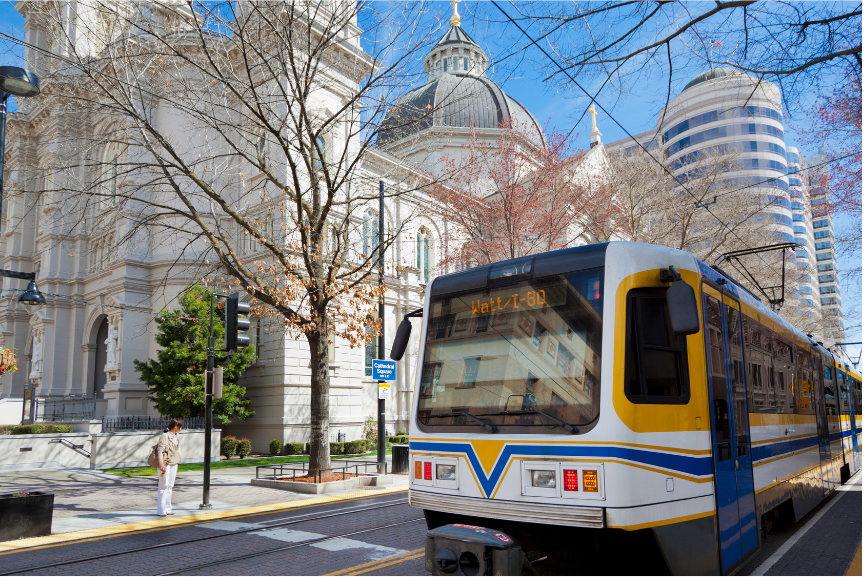
- Transportation and Connectivity: Mixed-income housing developments are often designed with access to public transportation in mind, making it easier for residents to commute to work, school, or other essential services. This connectivity benefits residents across all income levels.
6. Fosters a Sense of Belonging and Community
A strong sense of belonging is essential for fostering a positive and thriving community. Mixed-income housing developments often emphasize community-building activities and spaces that promote interaction and engagement among residents.
- Community Programming and Events: Many mixed-income developments offer community programming and events that bring residents together, such as neighborhood clean-up days, cultural celebrations, and educational workshops. These activities help build relationships and strengthen the sense of community.
- Resident Involvement and Governance: Some mixed-income developments involve residents in decision-making processes related to property management, community rules, and event planning. This participatory approach fosters a sense of ownership and empowerment among residents.
- Diverse Social Networks: Living in a mixed-income community exposes residents to diverse social networks, which can lead to new friendships, mentorship opportunities, and professional connections.

7. Promotes Sustainable Urban Development
Mixed-income housing developments are an integral part of sustainable urban development strategies that aim to create balanced, inclusive, and resilient cities.
- Efficient Land Use: Mixed-income developments make efficient use of land by combining different types of housing within a single project. This helps maximize land resources and reduces urban sprawl, contributing to more sustainable city planning.
- Environmental Benefits: Many mixed-income developments incorporate green building practices and sustainable design features, such as energy-efficient appliances, solar panels, and rainwater harvesting systems. These features reduce the environmental footprint of the development and promote sustainability.
- Balanced Growth: By encouraging a diverse mix of residents, mixed-income housing supports balanced growth and prevents the negative effects of gentrification, where low-income residents are often displaced by rising housing costs.

8. Addresses Housing Affordability and Supply Issues
Mixed-income housing developments play a crucial role in addressing housing affordability and supply issues, especially in cities with growing populations and increasing demand for housing.
- Inclusive Housing Policies: Many cities have adopted inclusionary zoning policies that require a percentage of new housing developments to be set aside for affordable units. Mixed-income developments are a practical way to implement these policies, increasing the supply of affordable housing while maintaining neighborhood diversity.
- Reducing Homelessness and Housing Instability: By providing affordable housing options within mixed-income developments, cities can help reduce homelessness and housing instability for low-income families and individuals.
- Leveraging Public-Private Partnerships: Mixed-income housing developments often involve public-private partnerships, where private developers work with local governments to provide affordable housing in exchange for incentives such as tax credits, grants, or zoning allowances. This collaboration can help address housing shortages and affordability challenges.
Conclusion
Mixed-income housing developments offer a wide range of benefits that contribute to building stronger, more inclusive, and sustainable communities. By promoting social integration, economic diversity, neighborhood stability, and access to quality amenities, these developments provide a holistic approach to urban planning that benefits residents of all income levels. As cities continue to grow and evolve, mixed-income housing will play a pivotal role in shaping the future of urban living, creating vibrant neighborhoods where everyone has the opportunity to thrive.
If there’s anything we can do to support you or if you have any questions about real estate please feel free to reach out to me and my team we would be happy to help you. We love being Sacramento’s real estate resource. Till next time Sacramento!