Why Sacramento Is the Perfect Place to Brew at Home
If you’ve ever sat in a Midtown brewery sipping a hazy IPA and thought, “I could totally make this at home,” you’re not alone. Sacramento is practically begging people to experiment with brewing. We’ve got a craft beer scene that rivals Portland, wine country right in our backyard, and a kombucha craze that makes even yoga instructors nod in approval.
Home brewing isn’t just about saving money (though your wallet will thank you when you’re not dropping $9 a pint). It’s about creativity, community, and the smug satisfaction of handing a friend a bottle and saying, “Yeah, I brewed that.”
And the best part? Sacramento makes it easy. Local breweries like Bike Dog and Urban Roots, have normalized geeking out over hops. Wineries in Clarksburg, Amador County, and Lodi are full of inspiration. And every farmers’ market in town gives you fresh fruit, herbs, and honey you can toss into a batch of wine or kombucha. Basically, the city’s a giant pantry for brewing experiments.
So whether you’re dreaming of an IPA that could rival Knee Deep, a Cabernet that would impress your in-laws, or a kombucha so good it belongs on tap at a Midtown café, here’s your guide to brewing beer, wine, and booch — Sacramento style.
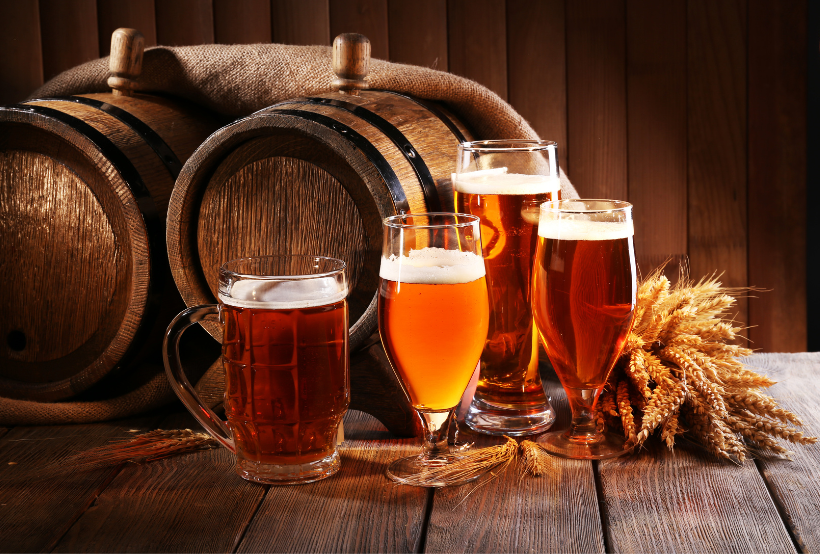
Beer Brewing 101: Turning Your Kitchen into a Brewery
What You’ll Need to Start
Before you start boiling things and calling yourself a brewmaster, you’ll need some basic gear. Most homebrew shops (Sacramento’s got a few, like The Brewmeister in Roseville or online suppliers) sell starter kits that include:
- A fermenter (a big bucket or glass carboy)
- Airlock (so CO₂ escapes but nasties don’t get in)
- Sanitizer (your new best friend)
- Bottling equipment (siphon, caps, bottles)
- Ingredients: malt extract, hops, yeast, and water
It’s basically a chemistry set for adults — minus the Bunsen burners.
Brewing Basics (Simplified)
- Mash & Boil – Heat water, steep grains, and add malt extract. This creates “wort,” your sugary liquid base.
- Add Hops – Toss in hops for bitterness, aroma, and flavor. (Sacramento loves hops, so don’t be shy if you’re an IPA fan.)
- Cool & Ferment – Chill the wort, transfer to the fermenter, pitch yeast, and seal it up. Let it bubble away for 1–2 weeks.
- Bottle & Condition – Add priming sugar, bottle your beer, and let it carbonate for another 1–2 weeks.
- Enjoy – Crack one open and toast to yourself.
Sacramento Twist
Try using hops grown in Yolo County or grab a fresh bag from Hops to Table homebrew supply. Want to get seasonal? Brew a peach wheat ale with fruit from the Midtown Farmers Market.
Wine Making at Home: From Grapes to Glass
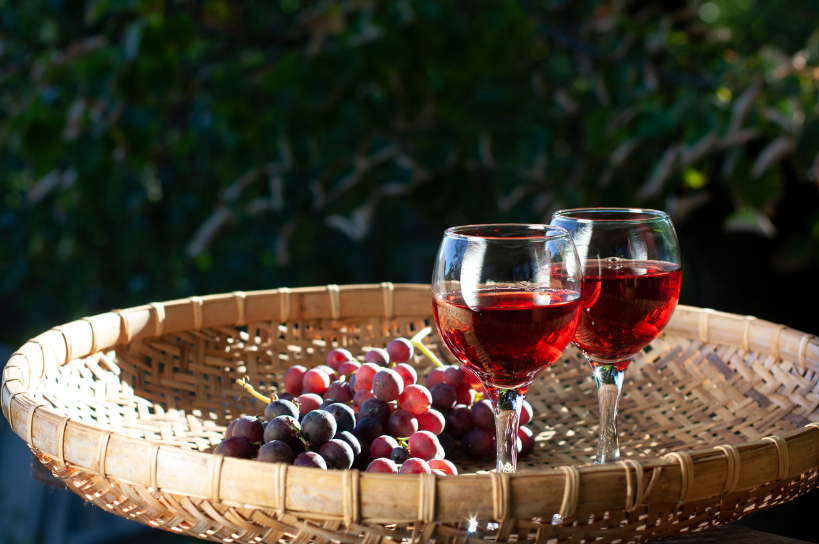
Sacramento is basically wine-adjacent royalty. We’re within sipping distance of Napa, Amador, and Clarksburg — but the cool part? You can make wine at home without a vineyard.
Options for Getting Started
- Grape Kits: Local shops sell juice concentrate kits — easy for beginners.
- Fresh Grapes: Hit up Clarksburg or Lodi during harvest (August–October). Some vineyards sell small lots of grapes to hobbyists.
- Farmers’ Markets: Perfect for experimenting with fruit wines — think blackberry, plum, or even apple wine.
Wine Making Basics
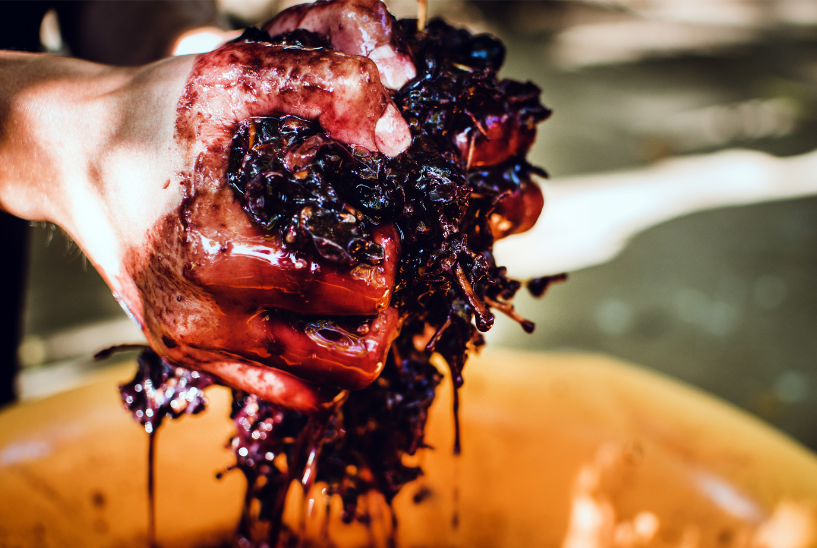
- Crush & Press – Get the juice out of the grapes (or fruit).
- Ferment – Add yeast and let it do its magic.
- Rack & Age – Transfer the wine into new containers to clarify, then age it for months (or years if you’re patient).
- Bottle & Cork – Pour into bottles, seal, and (the hardest part) wait.
Sacramento Twist
Experiment with Old Vine Zinfandel grapes from Lodi or Amador County Barbera. Both are iconic local varietals that thrive here. Feeling wild? Try adding Sacramento Valley almonds or orange zest for unique infusions.
Kombucha Brewing: The Booch Revolution
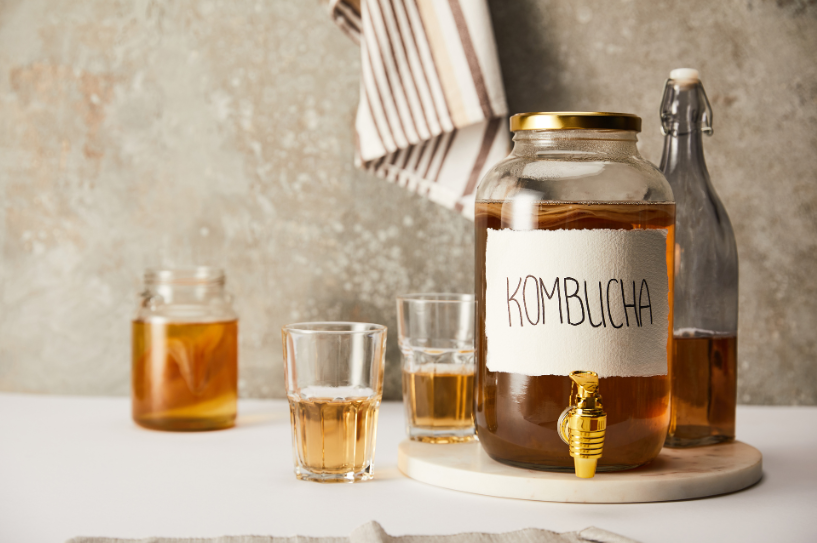
If beer and wine sound like too much work, kombucha is your low-maintenance cousin. Plus, it doubles as a health flex.
What You’ll Need
- SCOBY (Symbiotic Culture of Bacteria and Yeast) — you can buy one online or from local kombucha makers.
- Tea & Sugar — Black or green tea works best.
- A Big Jar — One gallon is perfect.
- Cloth Cover & Rubber Band — To keep bugs out but let air in.
Kombucha Basics
- Brew sweet tea.
- Add your SCOBY and starter liquid.
- Cover and let it ferment at room temp for 7–14 days.
- Taste test. Too sweet? Keep fermenting. Too sour? You’ve made vinegar (but hey, it’s great for salad dressing).
- Bottle it and add flavors for a second fermentation (berries, ginger, herbs).
Sacramento Twist
Infuse with local honey, citrus from the farmers’ markets, or even lavender from nearby farms. Imagine sipping a lavender-lemon booch made with Sac-grown ingredients — bougie and healthy.
Common Brewing Mistakes (and How to Fix Them)
- Beer tastes funky? You probably skipped sanitizing. Cleanliness is religion here.
- Wine too sour? Could be over-fermentation — try adding oak chips to mellow it out.
- Kombucha turned moldy? Toss it. Don’t try to scrape and save — mold = bad news.
Leveling Up Your Brewing Game
Once you’ve nailed the basics, Sacramento’s food-and-drink culture offers endless ways to experiment:
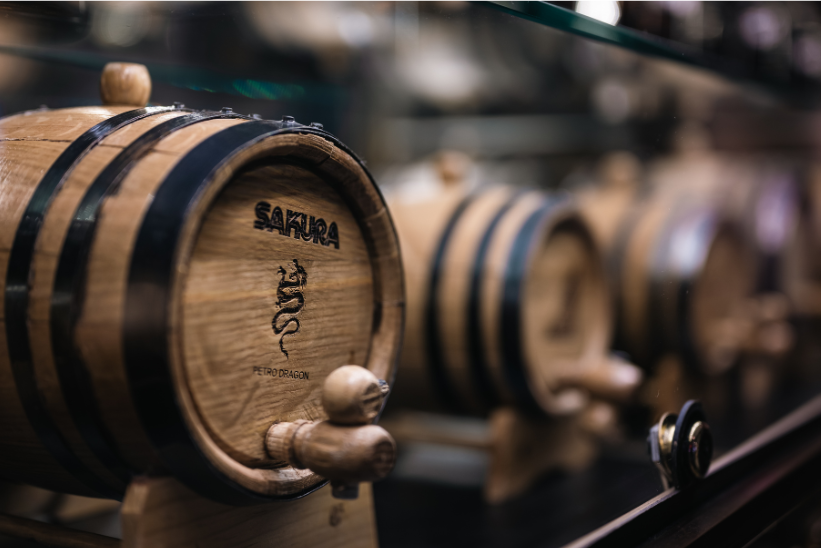
- Beer: Try barrel-aging with oak chips soaked in Amador wine. Or brew a saison spiced with fruit from Davis Farmers Market.
- Wine: Blend varietals. Try half Zinfandel, half Syrah for a custom “house blend.”
- Kombucha: Make sparkling booch using flip-top bottles. Or go hybrid — kombucha cocktails are a thing in Midtown bars.
Sacramento Lifestyle Tie-Ins
Home brewing doesn’t exist in a vacuum here — the city’s culture feeds it.
- Brewing Clubs: Check out Sacramento Homebrewers or local Meetup groups. They trade tips, recipes, and sometimes bottles.
- Local Shops: The Brewmeister in Roseville, Revolution Wines in Midtown, and supply shops around town will hook you up with gear.
- Competitions: The California State Fair has homebrew competitions where you can actually enter your creations. Imagine winning a ribbon next to a 4-H goat.
FAQ
Is home brewing legal in California?
Yes. Adults 21+ can brew up to 100 gallons a year (per person) for personal use.
How long does it take?
- Beer: 2–4 weeks
- Wine: 2–12 months
- Kombucha: 1–2 weeks
Can I use Sacramento tap water?
Yes, but filter it. Our water has minerals that can mess with flavors.
What’s the cheapest way to start?
Kombucha. You can get going with $20 in supplies.
Wrap-Up
Brewing at home isn’t just about the final sip — it’s about the process. It’s experimenting, messing up, trying again, and eventually pouring something that tastes like it belongs on tap at Urban Roots or in a glass at Clarksburg.
Sacramento is the perfect playground for DIY brewing. We’ve got local hops, world-class wine grapes, and farmers’ markets that look like flavor buffets. Whether you’re a beer nerd, wine lover, or kombucha fan, you can craft something at home that feels uniquely Sacramento.